


It has been a remarkably difficult period across the video game industry, marked by widespread studio closures, staffing cuts, and projects cancelled before they could ever launch. Following EA’s recent decision to shutter BioWare and cancel projects like Mass Effect: Universe, anxiety among franchise enthusiasts has reached a fever pitch. While questions linger over the future of properties like Skate, attention has quickly turned toward the iconic simulation franchise and the shifting development roadmap surrounding The Sims Project Evergreen.
In the same announcement detailing the end of BioWare, EA reaffirmed its ongoing dedication to Apex Legends, Skate, and The Sims. However, given that sports titles vastly outperform traditional narrative and single-player IPs in profitability, legacy closures have left fans uneasy about what comes next. Fortunately, for those invested in the digital dollhouse, EA insists it remains committed to the long-term potential of the franchise—though that commitment requires a major internal pivot.
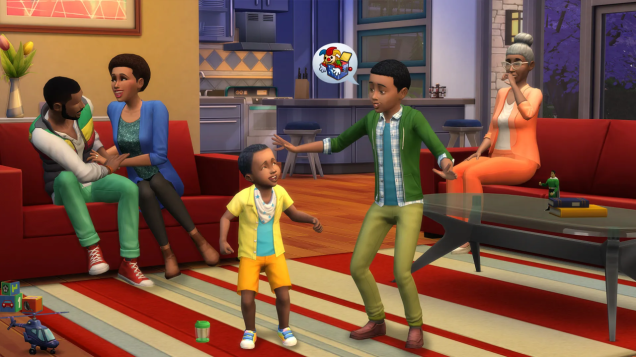
To pursue this renewed strategy, EA is officially pausing work on Project Rene, also known as Project Lotus. The nebulous next-generation entry and experimental multiplayer mobile project has been put on ice. Instead, development resources are shifting toward Project Evergreen, heavily rumored to function as a definitive remaster of The Sims 4, complete with most or all downloadable content included and a concerted effort to squash recurring technical bugs.
For longtime players, pausing Project Rene is far from heartbreaking. The community has long harbored deep reservations about recurring attempts to reinvent the series as an online multiplayer or mobile-oriented experience—a pitfall that originally crippled The Sims 4 at its 2014 launch before a last-minute structural pivot. Despite more than 100 expansion packs, game packs, kits, and stuff packs totaling roughly $1,600 in individual purchases, the current title has struggled under the weight of persistent technical issues and comparisons to its predecessor, The Sims 3.
With The Sims 4 officially finished in terms of new expansion pack releases, fans have consistently expressed a desire for a stable, polished, and cohesive experience rather than another experimental online ecosystem. Hitting pause on experimental multiplayer concepts in favor of preserving the core single-player formula aligns much closer with what players have wanted for years.
Even so, questions remain regarding how Project Evergreen will perform commercially. Over the past decade, EA aggressively monetized The Sims 4 through daily login rewards, special events, and secondary marketplaces, steering away from the simpler expansion model of earlier entries in the series. Whether Evergreen can deliver a stable, feature-complete experience without aggressive monetization remains to be seen.

Ultimately, the long-term survival of the franchise depends on whether Project Evergreen can satisfy players while meeting corporate revenue expectations. Given the ruthless efficiency with which major publishers have recently cut beloved IPs, maintaining fan goodwill is more critical than ever to ensure the Grim Reaper doesn’t come for the entire franchise next.